Wedding dress codes explained, from white tie to casual
What black tie, black tie optional, formal, cocktail, semi-formal and casual actually mean, how to choose one, and how to word it on the invitation.
The short version
- A dress code is a short instruction, not a theme. Pick one of the established terms so guests know exactly what it means.
- Black tie means tuxedos and floor-length gowns; cocktail means suits and knee to midi-length dresses; casual means no suit required.
- Choose by venue, time of day and season, then put the dress code on the invitation in plain words.
- If anything matters beyond the term (grass, sand, a color to avoid), add one practical line.
A wedding dress code tells guests how formally to dress, in one or two words they already understand. The established terms run from white tie, the most formal, down to casual. Using one of them is kinder than inventing your own, because guests can look it up; "garden glam" or "elevated whimsical" sends everyone to ask the same question.
What does each wedding dress code mean?
- White tie: the most formal. Tailcoats, white bow ties and floor-length evening gowns. Rare, and usually reserved for state-dinner style evenings.
- Black tie: tuxedos or dinner jackets with black bow ties; floor-length gowns or very formal cocktail dresses. Typically an evening wedding.
- Black tie optional: a tuxedo is welcome but a dark suit and tie are fine; long dresses or elegant cocktail dresses.
- Formal: dark suits and ties; long dresses, dressy midis or formal separates. Close to black tie optional.
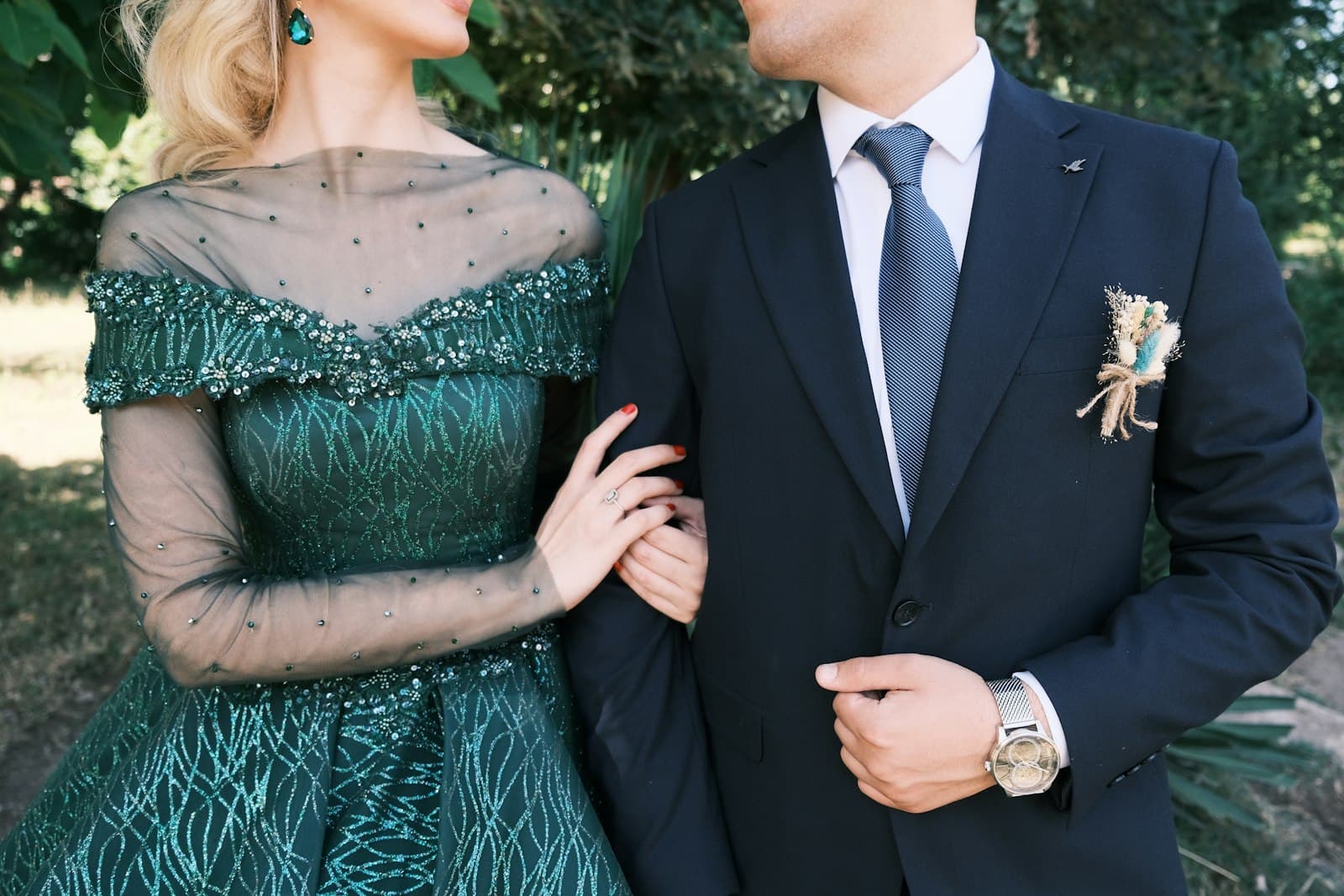
- Cocktail: suits, tie optional in warm weather; knee to midi-length dresses or smart jumpsuits.
- Semi-formal: suits or a blazer with trousers; cocktail dresses or dressy separates. Lighter colors are fine in daytime.
- Dressy casual: chinos and a collared shirt or a blazer without a tie; sundresses or smart separates.
- Casual: no suit required, but still dressed for a wedding rather than for the beach.
"Beach formal" and "garden attire" are not formal codes so much as warnings about the ground. They usually mean semi-formal, in lighter fabrics, with shoes that will cope.
How do you choose a dress code for your wedding?
Start with the venue and the time of day, then the season. An evening reception in a ballroom suggests black tie or formal; an afternoon in a garden suggests semi-formal or cocktail; a barn, a beach or a backyard suggests dressy casual. If you are torn between two, choose the one that most of your guests can meet with clothes they already own, because a dress code that forces people to buy or rent is a cost you are passing on.
How do you put the dress code on the invitation?
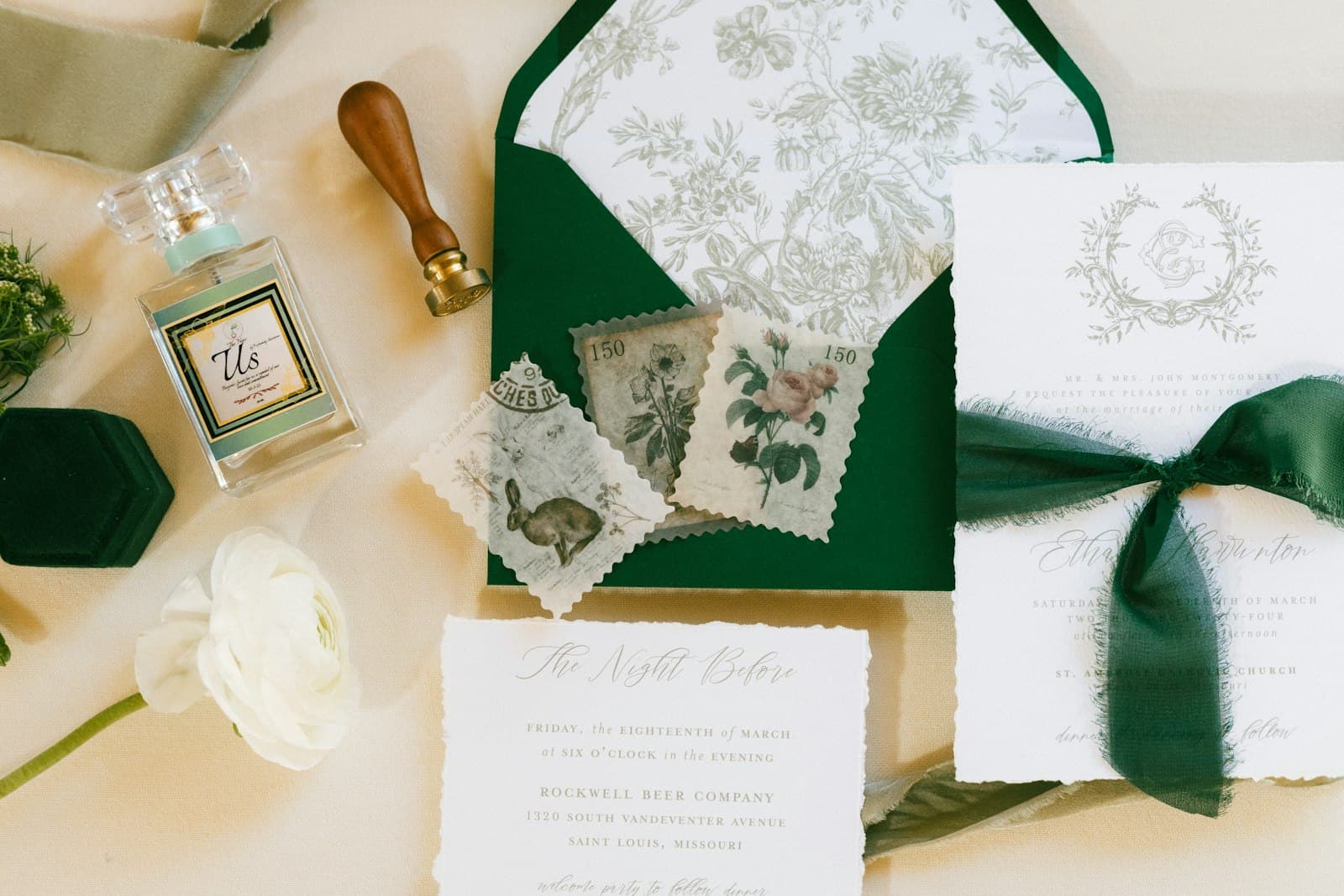
Plainly, on its own line, near the bottom: "Black tie", "Cocktail attire" or "Dress code: semi-formal". Traditional etiquette kept dress codes off the invitation and wrote "black tie" only for the most formal events, but guests now expect to find it there, and a digital invitation has room for a line of practical detail too.
- "Cocktail attire. The ceremony is on the lawn, so you may want flat shoes."
- "Black tie optional. The evening gets cool by the water; bring a wrap."
- "Dressy casual. We would love to see you in color."
Can you ask guests to wear certain colors?
You can ask, gently, and you should ask for a palette rather than a single color. "We would love to see you in soft, light colors" is a request; "guests must wear sage green" is a costume. The one color request almost everyone accepts without comment is to avoid white, and in some families and cultures, red or black. If it matters to you, say it once, kindly.
Do dress codes differ outside the US?
The terms are understood everywhere English is spoken, with a few local twists. British invitations sometimes say "morning dress" for a formal daytime wedding, which means a morning coat for men. In hot countries, formal often means lighter fabrics and no jacket after a certain hour. When guests are coming from several countries, one sentence of plain explanation prevents a lot of messages.
A dress code is a kindness to guests, not a test. The clearer it is, the fewer people arrive worried.
Common questions
What is the difference between black tie and formal at a wedding?
Black tie means tuxedos and floor-length gowns or very formal cocktail dresses. Formal is a step below: dark suits and ties are expected rather than tuxedos, with long dresses, dressy midis or formal separates.
What does cocktail attire mean for a wedding?
Suits, with the tie optional in warm weather, and knee to midi-length dresses or smart jumpsuits. It is the most common dress code for afternoon and early-evening weddings.
Where do you put the dress code on a wedding invitation?
On its own line near the bottom of the invitation, in plain words such as "Black tie" or "Cocktail attire". On a digital invitation you can add one practical line, for example about grass, sand or the evening temperature.
Can you ask wedding guests to wear specific colors?
Yes, gently. Ask for a palette rather than a single color, say it once on the invitation, and phrase it as a wish. Asking guests to avoid white is accepted everywhere.
Ready to write yours?
Copy the wording, add your names, and send it as an invitation your guests can reply to on the spot.
Make your invitation →