Filipino wedding traditions: sponsors, veil, cord and coins
Principal sponsors, the veil, cord and coin rituals, the money dance and the pamamanhikan: what Filipino wedding traditions mean and how couples include them.
The short version
- Filipino weddings often have principal sponsors (ninong and ninang): respected elders who witness the marriage and mentor the couple.
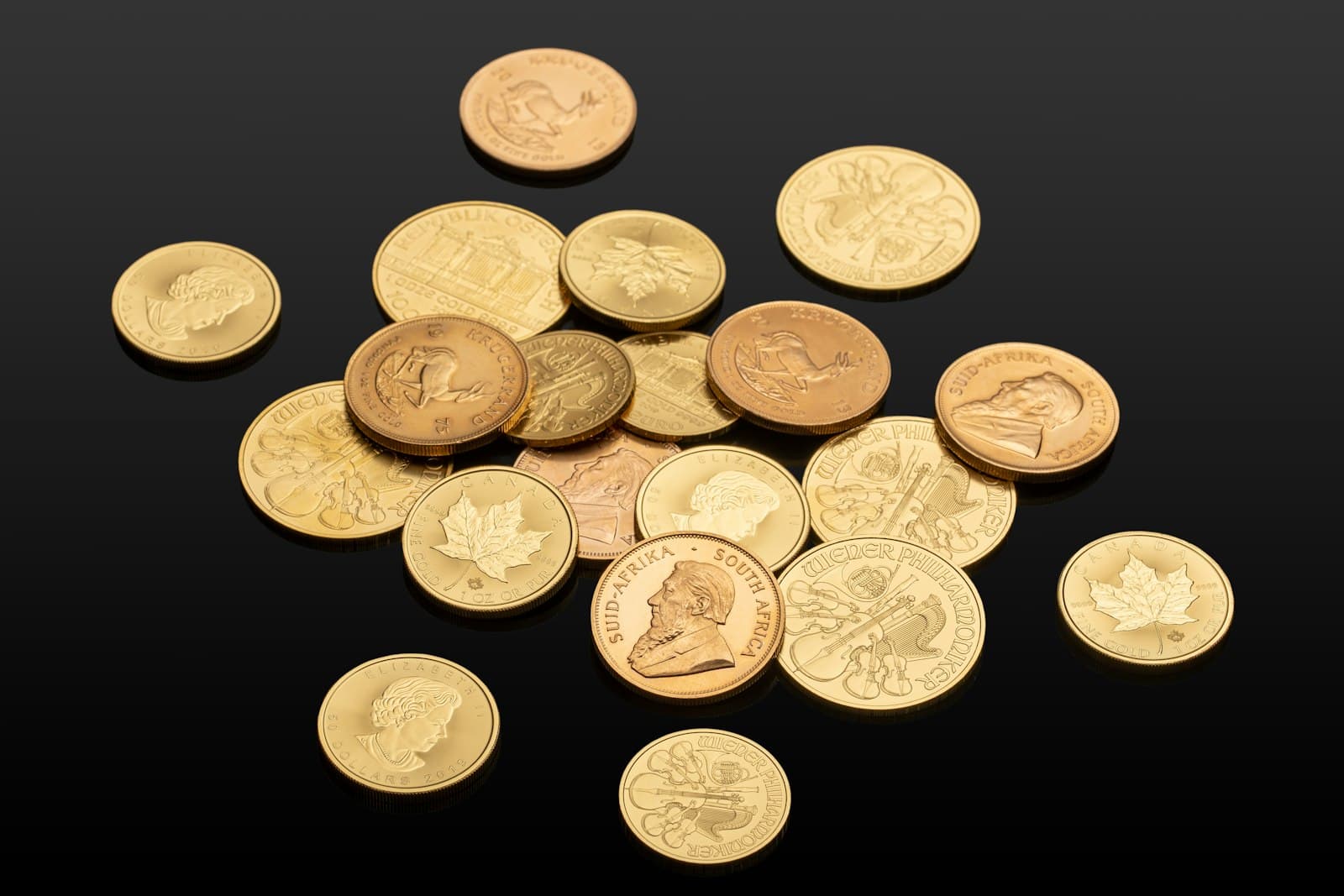
- In many Catholic ceremonies, secondary sponsors place a veil and a cord over the couple and present the arras, thirteen coins.
- The money dance, where guests pin money on the couple, is a joyful part of many receptions.
- Traditions vary by region and family; ask the elders which matter most.
Filipino weddings often blend Catholic ceremony with family traditions: principal sponsors who witness and mentor the marriage, a veil, a cord and thirteen coins during the ceremony, and a money dance at the reception. Customs differ between regions, faiths and families, so treat these as common practice and ask your elders which ones matter to them.
Before the wedding
Pamamanhikan is the traditional visit in which the groom's family meets the bride's family, often over a meal, to ask for her hand and to discuss the wedding. Many modern couples still hold it as a formal family gathering.
Sponsors
Principal sponsors (ninong and ninang) are respected elders or couples who act as witnesses and as mentors to the marriage. There can be several pairs, and being asked is an honor. Secondary sponsors take part in the ceremony itself: the candle, the veil and the cord sponsors.
In the ceremony
- Candles: lit by sponsors, symbolizing the presence of God in the marriage
- The veil: draped over the bride's head and the groom's shoulders, for unity and protection
- The cord: a cord in a figure eight placed over the couple, for an everlasting bond
- The arras: thirteen coins blessed and given by the groom to the bride, a promise to provide
At the reception
- The money dance: guests pin money onto the couple's clothes as they dance, a wish for prosperity
- Releasing doves, in some families, for peace and harmony
- A large, generous meal, often with dishes from both families' regions
Inviting sponsors and guests
Many Filipino invitations list the principal and secondary sponsors by name, which honors them and tells guests who they are. With guests across several countries, as many Filipino families have, a digital invitation lets everyone see the schedule, the venues and the reply form in one place, whatever their time zone.
A veil for protection, a cord for unity, coins for a shared life: the ceremony says it three times.
Common questions
What are principal sponsors at a Filipino wedding?
Respected elders or couples, called ninong and ninang, who witness the marriage and act as mentors to the couple. Being asked is an honor.
What is the veil and cord ceremony?
During many Filipino Catholic weddings, sponsors drape a veil over the couple and place a cord in a figure eight over their shoulders, symbolizing unity and an everlasting bond.
What is the money dance?
A reception tradition in which guests pin money onto the couple's clothes as they dance, as a wish for prosperity.
Ready to make your own invitation?
Build a digital invitation, open your RSVP and plan the whole wedding in one place.
Get started →