Wedding traditions around the world, and what they mean
Twenty wedding traditions from different cultures, from the tea ceremony to the lasso, what each one means, and how couples bring them into a modern wedding.
The short version
- Most wedding traditions say one of three things: we are joined, our families are joined, and we hope for a good life together.
- They vary by region, faith and family, so treat the descriptions below as common practice, not rules.
- Couples marrying across cultures often borrow one tradition from each side and explain it to guests.
- If you adopt a tradition that is not your own, ask someone from that culture how it is done and what it means.
Wedding traditions around the world mostly say the same few things in different ways: two people are joined, two families are joined, and everyone hopes the couple will have a long, fortunate life. Below are twenty well-known traditions, grouped by region. Each varies by country, faith and family, so read them as common practice rather than rules, and follow your own family and officiant.
Asia
- Chinese tea ceremony: the couple serve tea to their elders, who offer blessings and often gifts in red envelopes; red, for luck, runs through the whole day
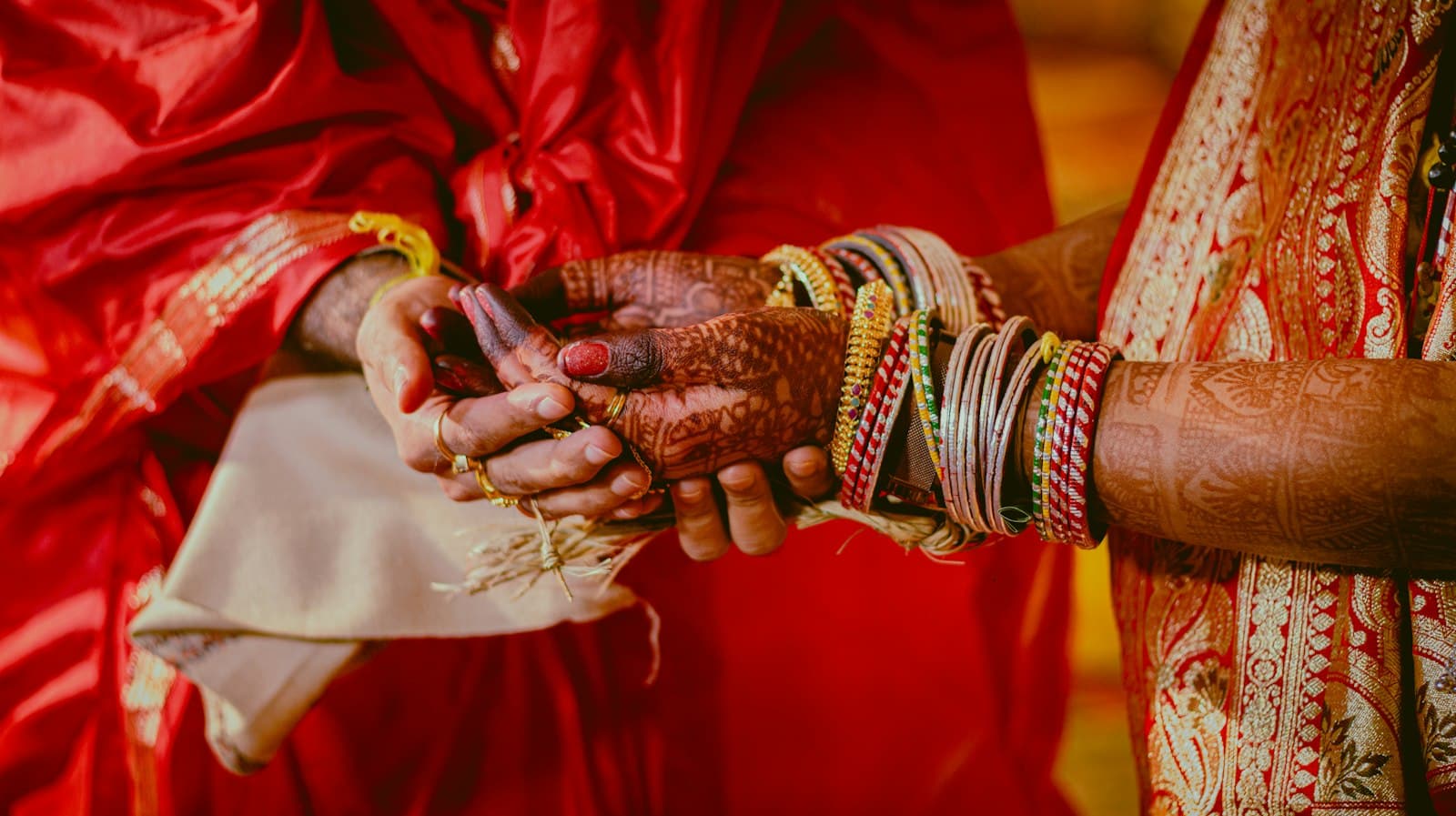
- Indian weddings: several events over several days, often including a henna night (mehndi), a music night (sangeet) and a turmeric blessing (haldi) before the wedding itself
- Hindu ceremony: the couple walk around a sacred fire, often seven times, each round a vow
- Korean pyebaek: a family ceremony after the wedding, where parents may toss dates and chestnuts for the couple to catch, a wish for children
- Japanese Shinto weddings: san-san-kudo, the sharing of sake from three cups, three sips each
- Filipino weddings: a veil and a cord placed over the couple, and coins (arras) given as a promise to provide
Europe
- Greek Orthodox stefana: two crowns joined by a ribbon, placed on the couple and exchanged three times
- Scottish and Celtic handfasting: the couple's hands are tied with a cord or ribbon, which gave us the phrase "tying the knot"
- Scottish quaich: a two-handled cup the couple drink from together
- German Polterabend: friends break porcelain the night before, and the couple sweep it up together
- Italian confetti: sugared almonds given to guests, often five, for health, wealth, happiness, children and a long life
- Swedish weddings: guests may kiss the bride when the groom leaves the room, and the groom when the bride does
The Americas
- Mexican and Latin American lazo: a rosary or cord placed around the couple in a figure eight during the ceremony
- Arras: thirteen coins blessed and given to the couple, a promise of shared care
- Brazilian bem-casados: small cakes wrapped and given to guests, whose name means "well married"
- Something old, something new, something borrowed, something blue: from an English rhyme, now common across North America
Africa and the Middle East
- Nigerian weddings: guests "spray" money over the couple as they dance, and families often wear matching fabric (aso ebi)
- Jewish weddings: the ceremony takes place under a canopy (chuppah), the couple sign a marriage contract (ketubah), and a glass is broken at the end
- Lebanese zaffe: a lively procession with drums and dancers that brings the couple into the celebration
- Ghanaian knocking ceremony: the groom's family comes to the bride's family's door with gifts to ask, formally, for her hand
How do couples bring traditions into a modern wedding?
- Choose one or two that mean something to you, rather than many as decoration
- Ask an elder or a friend from that culture how it is done and what to say
- Give it a real moment in the schedule, so it is not rushed between photos
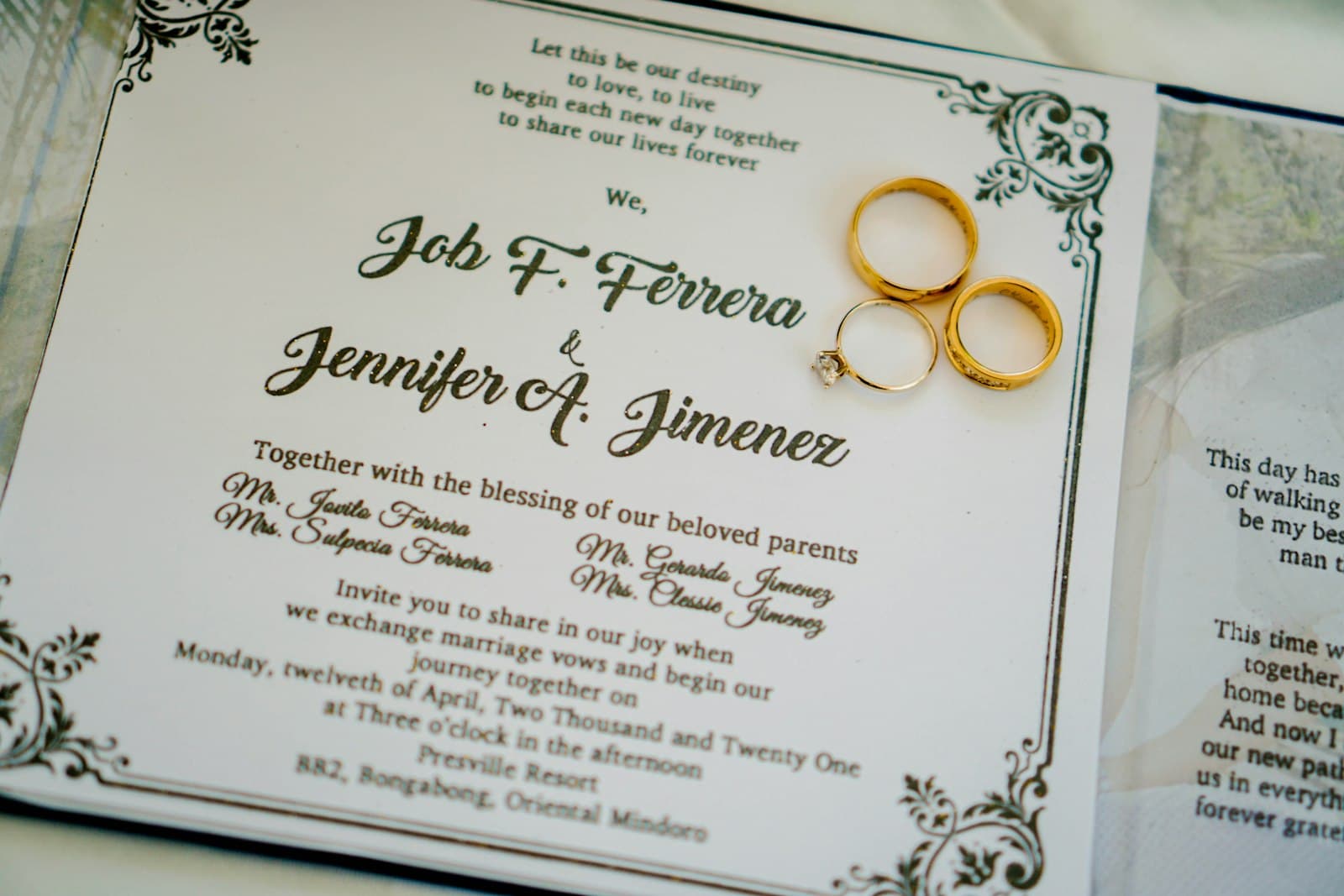
- Explain it to guests in one line, on the invitation, a program or a sign
The traditions differ; the wish behind them hardly ever does.
Common questions
What is a wedding tea ceremony?
In Chinese tradition, the couple serve tea to their parents and elders, who drink it as a sign of acceptance and offer blessings, often with gifts in red envelopes.
Where does the phrase tying the knot come from?
It is often linked to handfasting, a Celtic tradition in which the couple's hands are tied together with a cord or ribbon during the ceremony.
What is the lasso in a Mexican wedding?
A rosary or cord placed around the couple's shoulders in a figure eight during the ceremony, symbolizing their union.
Can you include traditions from a culture that is not your own?
Yes, with care. Ask someone from that culture how the tradition is done and what it means, and give it a real moment in the day rather than using it as decoration.
Ready to make your own invitation?
Build a digital invitation, open your RSVP and plan the whole wedding in one place.
Get started →