Planning a multicultural wedding that honors both families
How to blend two cultures, faiths or languages in one wedding: the early conversations, ceremony options, food, music, and explaining traditions to guests.
The short version
- Start by asking each family which traditions matter most to them. Usually it is two or three, not twenty.
- Common shapes: one blended ceremony, two ceremonies, or one ceremony and a reception that carries the other culture.
- Food, music and language are where guests feel the mix most; give each culture a real moment, not a token.
- Explain the traditions to guests in a line or two, on the invitation, a program or a sign.
A multicultural wedding works best when the couple first find out which traditions really matter to each family, then give each one a real place in the day rather than trying to include everything. Most families care deeply about two or three things, and a wedding that honors those feels like both families' wedding.
Which conversations should come first?
- Ask each set of parents: which two or three traditions would you be sad to miss?
- Agree between yourselves which matter to you, and which you would rather not do
- Talk about faith early: who will lead the ceremony, and does anyone's community have requirements?
- Talk about money and guest numbers, which differ enormously between cultures
Guest numbers deserve their own conversation. In some cultures a wedding of 400 is modest and in others a wedding of 80 is large. Find the number together before either family starts inviting people.
What are the options for the ceremony?
- One blended ceremony, with elements from both traditions and an officiant comfortable with both
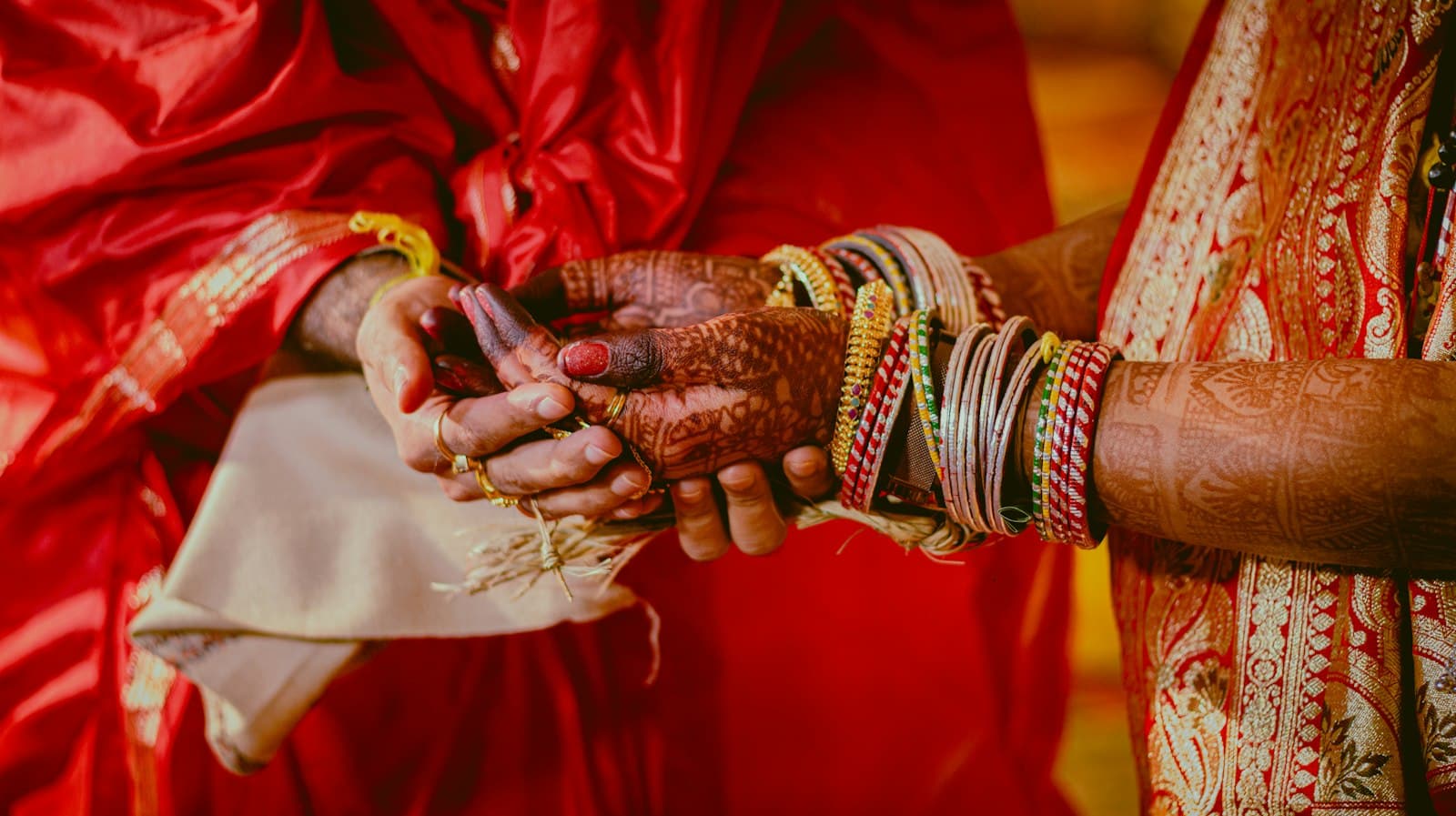
- Two ceremonies, on the same day or different days, each complete in its own tradition
- One ceremony and a reception that carries the other culture through food, music, dress and dance
- A civil ceremony for the legal part, with the cultural ceremonies around it
Two ceremonies can sound like twice the work, and sometimes they are. But many couples find it simpler than negotiating every moment of a single ceremony, and families often love seeing their tradition done fully rather than in part.
How do you blend food, music and language?
- Food: a menu with dishes from both cultures, or courses that alternate; dessert tables are an easy place to mix
- Music: a set for each tradition, and a DJ or band who has played both; brief them on the dances that matter
- Language: speeches in both languages, or one speech with a short summary in the other
- Dress: a change of outfit between the ceremony and reception is common in many cultures and lets you wear both
How do you explain the traditions to guests?
In a line or two, kindly, where guests will see it. A printed program, a sign by the ceremony, or a short note on the invitation such as "the tea ceremony will be at 3 PM, and everyone is welcome to watch". Guests from the other culture are almost always curious and delighted to be told; nobody wants to feel lost at a wedding.
What about the invitation?
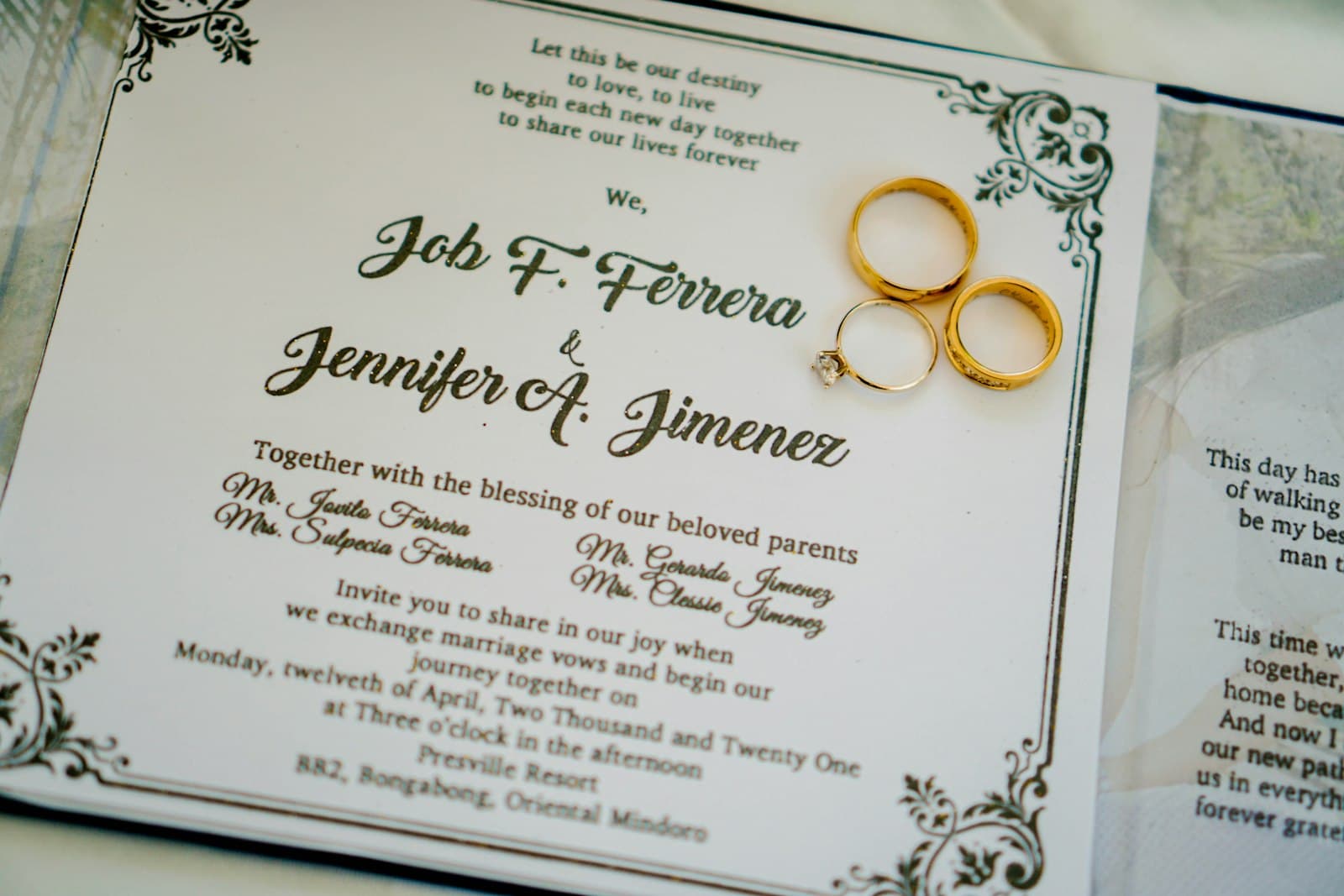
If your families speak different languages, write the invitation in both, in full. If there are several events (a henna night, a tea ceremony, a church service, a reception), list each with its time and place, and invite guests only to the ones they are coming to. A digital invitation carries the schedule of the day, and smaller events for close family can go out as separate invitations to just those guests.
Ask each family for the two traditions that matter most. Doing those properly is worth more than doing twenty halfway.
Common questions
How do you plan a multicultural wedding?
Ask each family which two or three traditions matter most, agree as a couple what you want, then choose a shape: one blended ceremony, two ceremonies, or one ceremony and a reception that carries the other culture. Give each culture a real moment in the food, music and language.
Can you have two wedding ceremonies?
Yes. Many multicultural couples hold two ceremonies, each complete in its own tradition, on the same day or on different days.
How do you explain wedding traditions to guests?
With a line or two on the invitation, in a printed program or on a sign: what happens, when, and that guests are welcome to watch or join.
Ready to make your own invitation?
Build a digital invitation, open your RSVP and plan the whole wedding in one place.
Get started →