Are digital wedding invitations tacky? An honest answer
When a digital invitation reads as thoughtful and when it reads as cheap, what older guests really mind, and the small things that change how it lands.

The short version
- No. What reads as tacky is carelessness: a bare link, a group-chat post, a design that looks like a flyer. The medium itself is not the problem.
- Guests judge an invitation by the design, the wording and whether it was sent to them personally.
- The real risk is the few relatives who will not open a link; a small printed card with a QR code takes care of them.
- For a black-tie wedding, choose a restrained design and formal wording. It will read as formal.
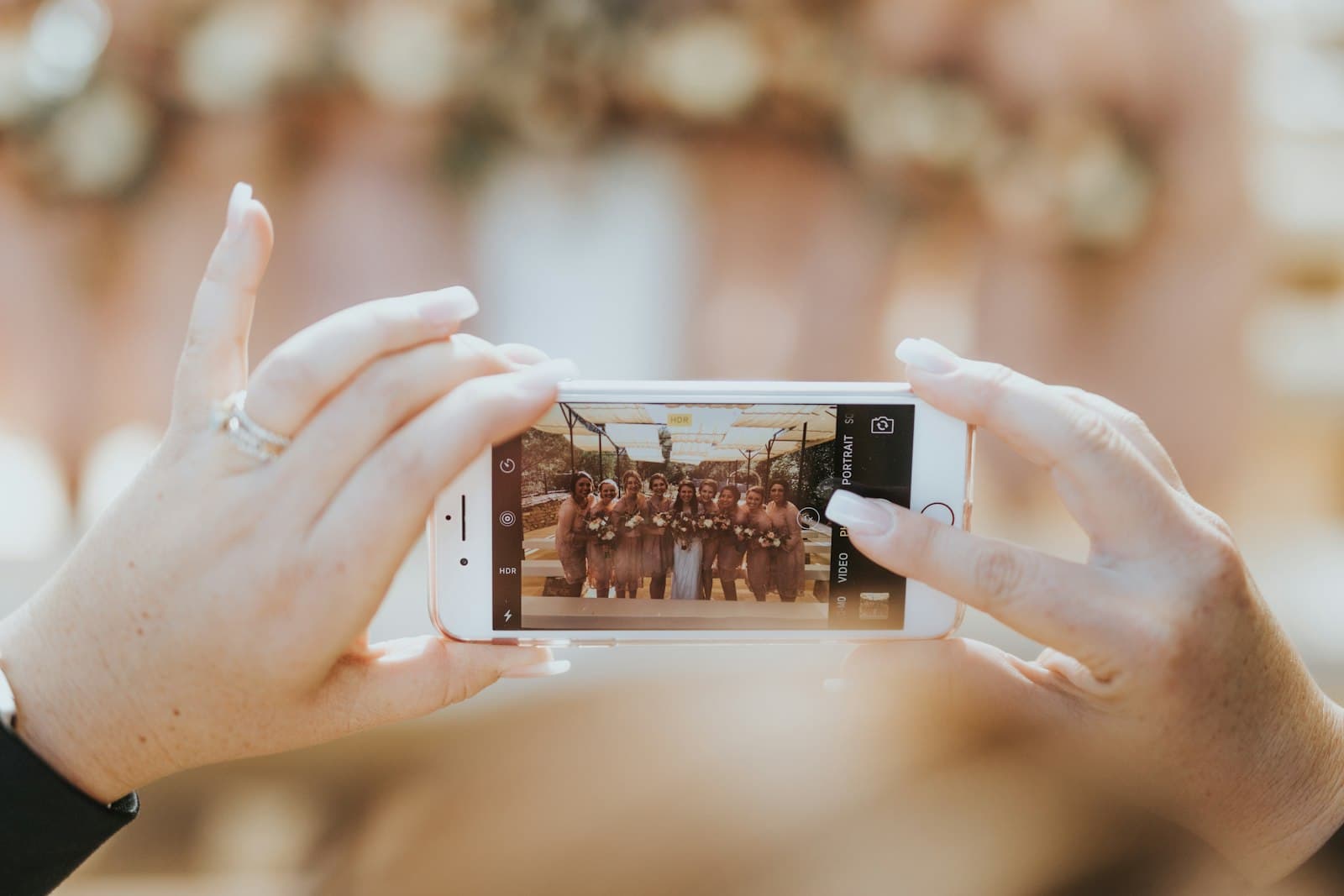
Digital wedding invitations are not tacky. Careless ones are. A thoughtfully designed invitation, sent to each guest personally with a line written for them, reads as considered. A link with no greeting dropped into a group chat reads as an afterthought, and it would read the same way if it were a photo of a printed card.
That is the short answer. The longer one is worth having, because the worry behind the question is usually a specific person: a grandmother, a future mother-in-law, a colleague who does everything properly.
Where does the idea that they are tacky come from?
From what digital invitations used to be. For years the online option was a generic e-card with clip-art bells, a cartoon envelope and the host's name in a default font. People remember that, and they also remember party invitations from free websites that covered the page in advertising. Neither has much in common with a well-designed wedding invitation on its own page.
What do guests actually judge an invitation by?
- The design: does it look like it was chosen with care, or like a template nobody changed?
- The wording: is it warm, correct and in the right register for the wedding?
- Whether it was sent to them: their name, a personal line, sent on its own
- Whether it works: the date is clear, the map opens, replying takes a minute
Paper does not pass any of those tests automatically. A cheaply printed card with a spelling mistake in the venue name is far more noticeable than a link, and a mistake on paper cannot be corrected.
Is a digital invitation acceptable for a formal wedding?
Yes, provided the design and the wording are formal. Restraint carries formality: one or two typefaces, generous space, no animation that feels like a party, and traditional wording such as "request the pleasure of your company". If your dress code is black tie, say so plainly on the invitation and let the design match it.
What about older relatives?
Most of them will open a link without any difficulty; they already do it for photos of grandchildren. A few will not, and those few usually matter a great deal to you. The practical answer is a small printed card for them, with the same design and a QR code that opens the invitation, posted or handed over in person. It costs very little and removes the whole argument.
If a parent is uneasy about the idea, show them the actual invitation with your names in it rather than describing it. Most objections are to the idea of an e-card, and they disappear when people see the real thing.
Nobody has ever complained that an invitation was elegant but arrived as a link.
When might paper still be the better choice?
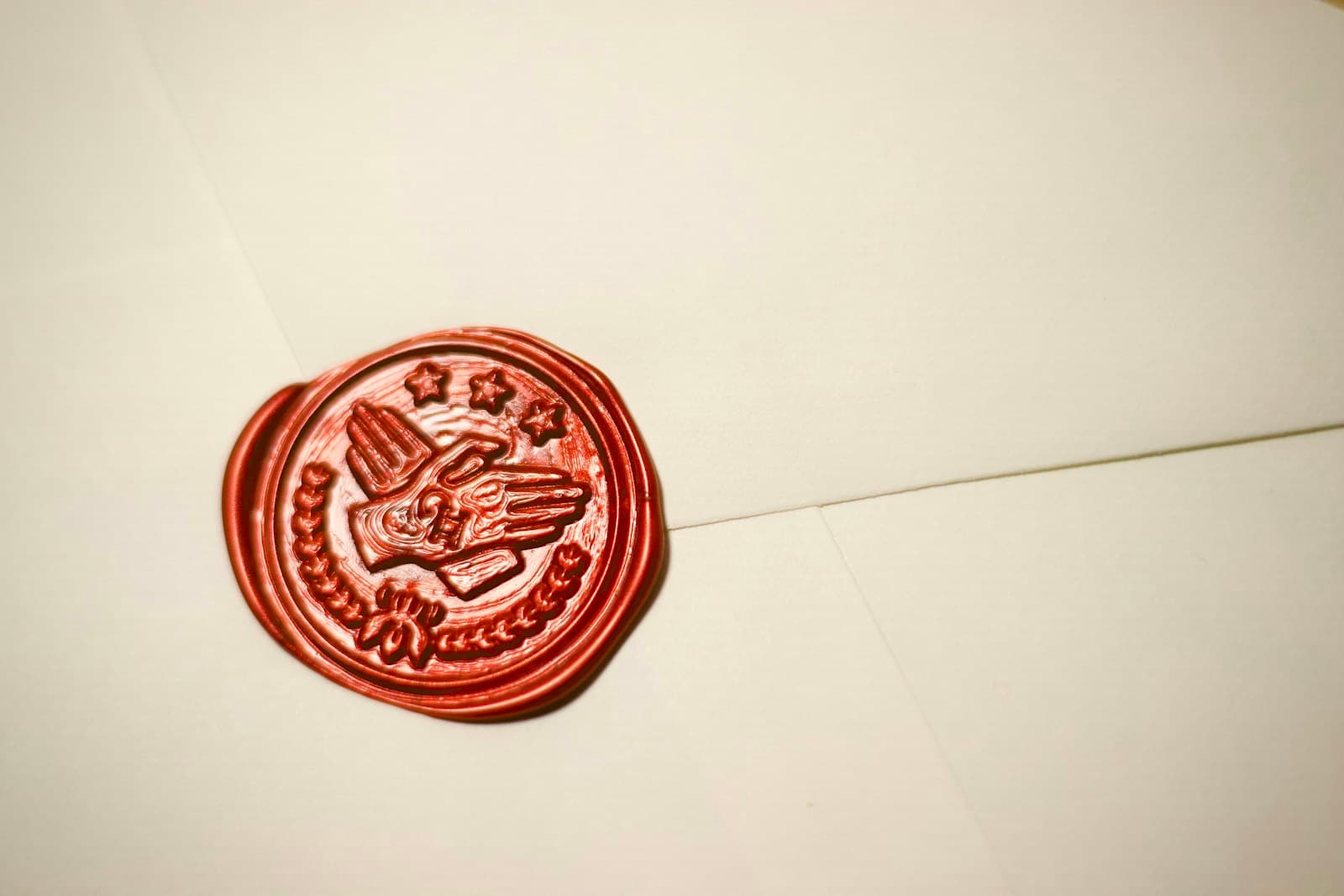
When the invitation is part of the experience you are designing: letterpress, hand-calligraphed envelopes, a wax seal, a piece people will frame. If that matters to you, print it. Many couples print a small run for exactly that reason and use a digital invitation for everyone else, because it carries the RSVP, the map and the schedule.
The small details that change how it lands
- Send it individually with the guest's name, never as one broadcast
- Make sure the link preview shows your names and a photo, not a bare address
- Use full sentences in the wording; abbreviations read as casual
- Put the RSVP deadline as a date, which reads as a real request
- Keep the design calm; motion should feel like a page turning, not a party flyer
Common questions
Is it rude to send a digital wedding invitation?
No. It is ordinary now, and it is often more practical for guests because they can reply, find the venue and save the date in one place. What can come across as rude is a bare link with no greeting, or a single post in a group chat instead of a message to each guest.
Are digital wedding invitations acceptable for a formal wedding?
Yes, when the design and the wording are formal. A restrained design, traditional wording and a clearly stated dress code read as formal on a screen just as they do on card.
What if older relatives do not use smartphones?
Print a small card for them in the same design, with a QR code that opens the invitation, and post it or hand it over. Most older guests open links without trouble, but a card for the few who will not costs little and avoids hurt feelings.
Do guests think less of couples who send digital invitations?
Guests judge an invitation by its design, its wording and whether it was sent to them personally, not by whether it is paper. A considered digital invitation reads as considered; a careless one of any kind reads as careless.
Ready to make your own invitation?
Build a digital invitation, open your RSVP and plan the whole wedding in one place.
Get started →